
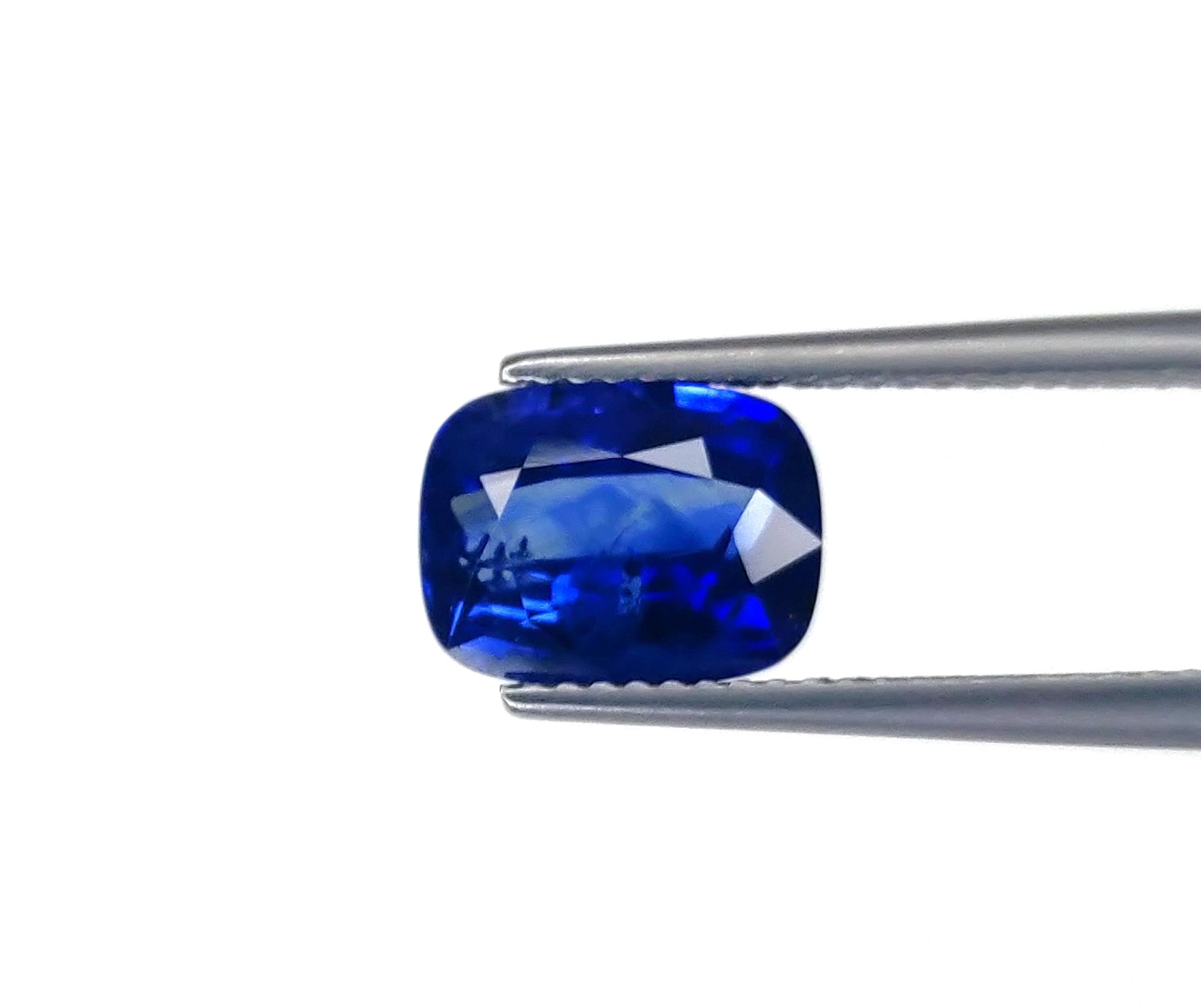
For over two thousand years, Ceylon Sapphires have been admired for their exceptional beauty, brilliant color, and remarkable clarity. Mined in the gem-rich lands of Sri Lanka, these natural blue sapphires have earned a reputation as some of the finest gemstones in the world.
Whether you are looking for a stunning piece of jewelry, a gemstone for Vedic astrology, or a long-term collectible, Ceylon sapphires remain one of the most trusted and sought-after choices.
In this guide, we'll explore the history, characteristics, origins, value, and buying considerations of Ceylon sapphires.
What is a Ceylon Sapphire?
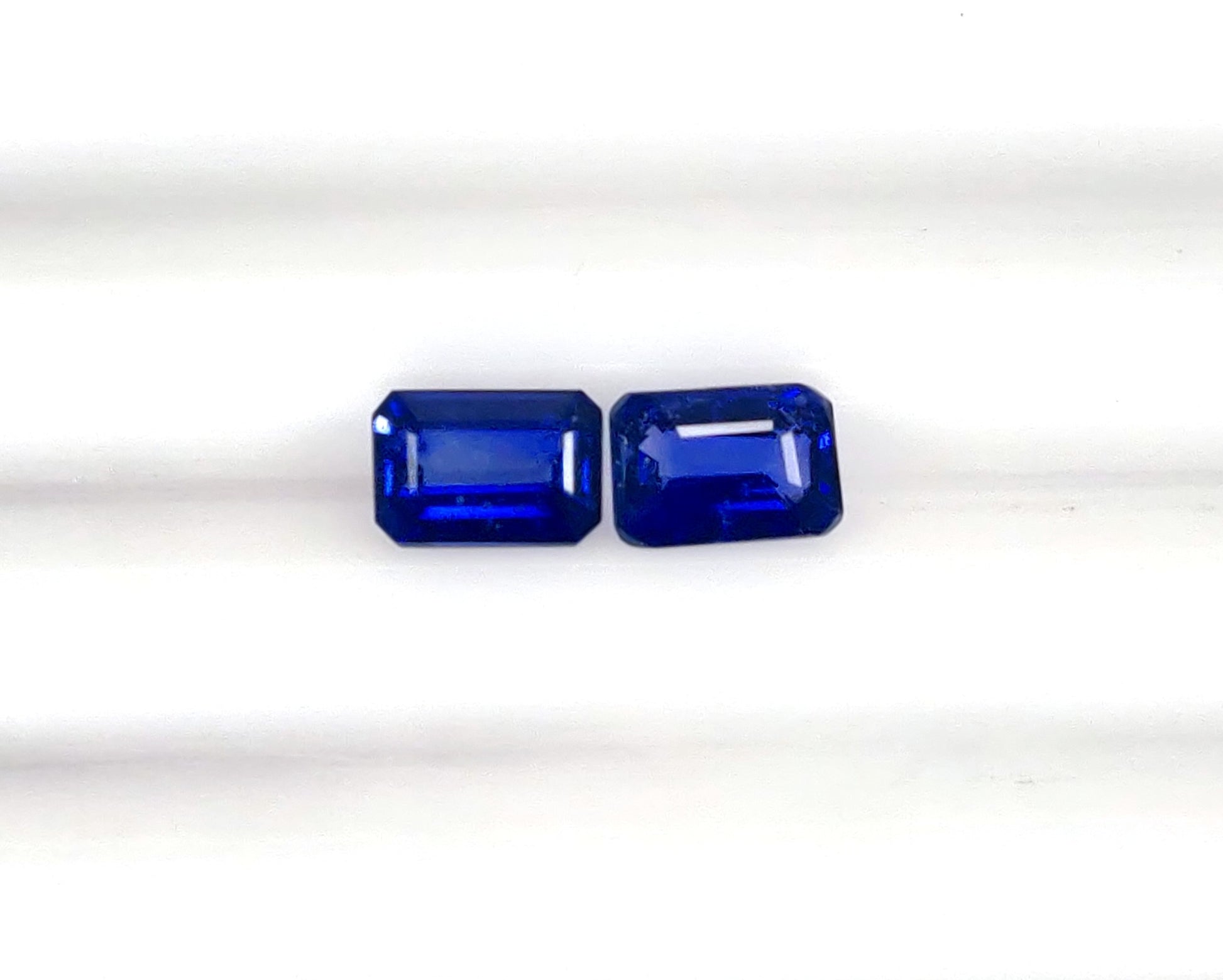
A Ceylon Sapphire is a natural sapphire mined in Sri Lanka, formerly known as Ceylon. Sri Lanka has been one of the world's most important sources of sapphires for more than 2,000 years and is often called the "Island of Gems."
The country is renowned for producing not only blue sapphires but also pink, yellow, white, purple, and padparadscha sapphires.
Among them, the blue Ceylon sapphire remains the most popular and valuable.
Why Are Ceylon Sapphires So Famous?
Several factors have contributed to the worldwide reputation of Ceylon sapphires.
1. Exceptional Color
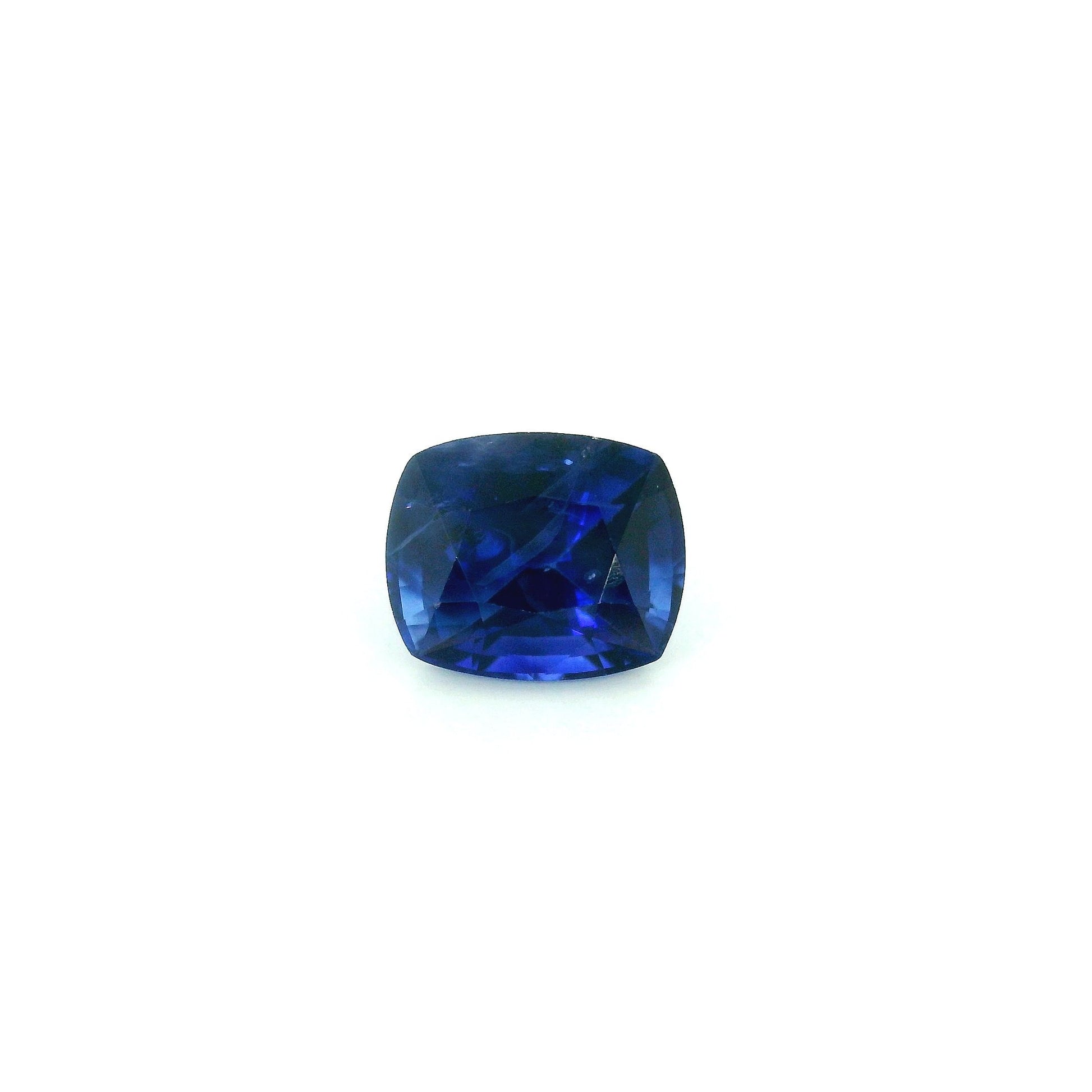
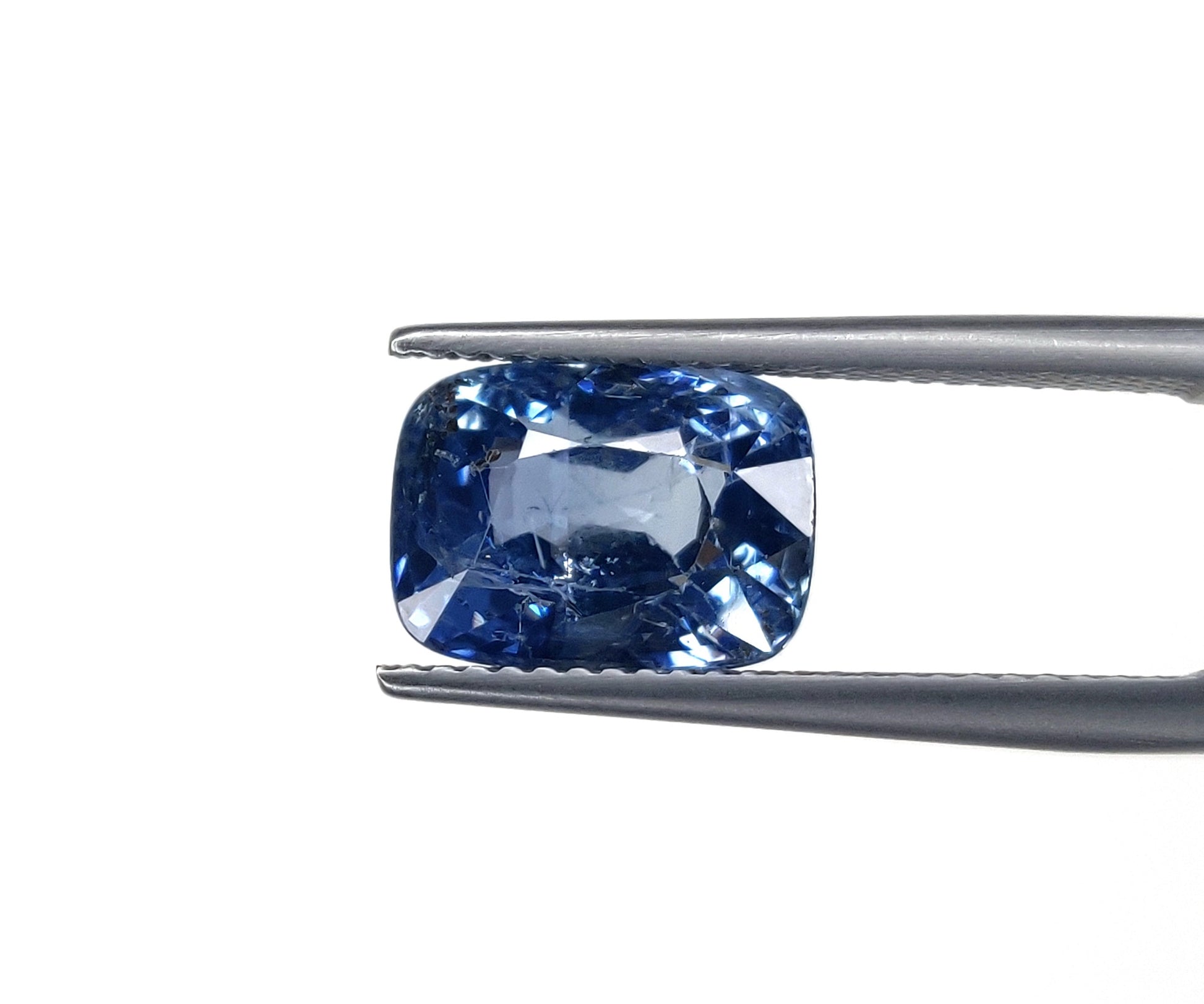
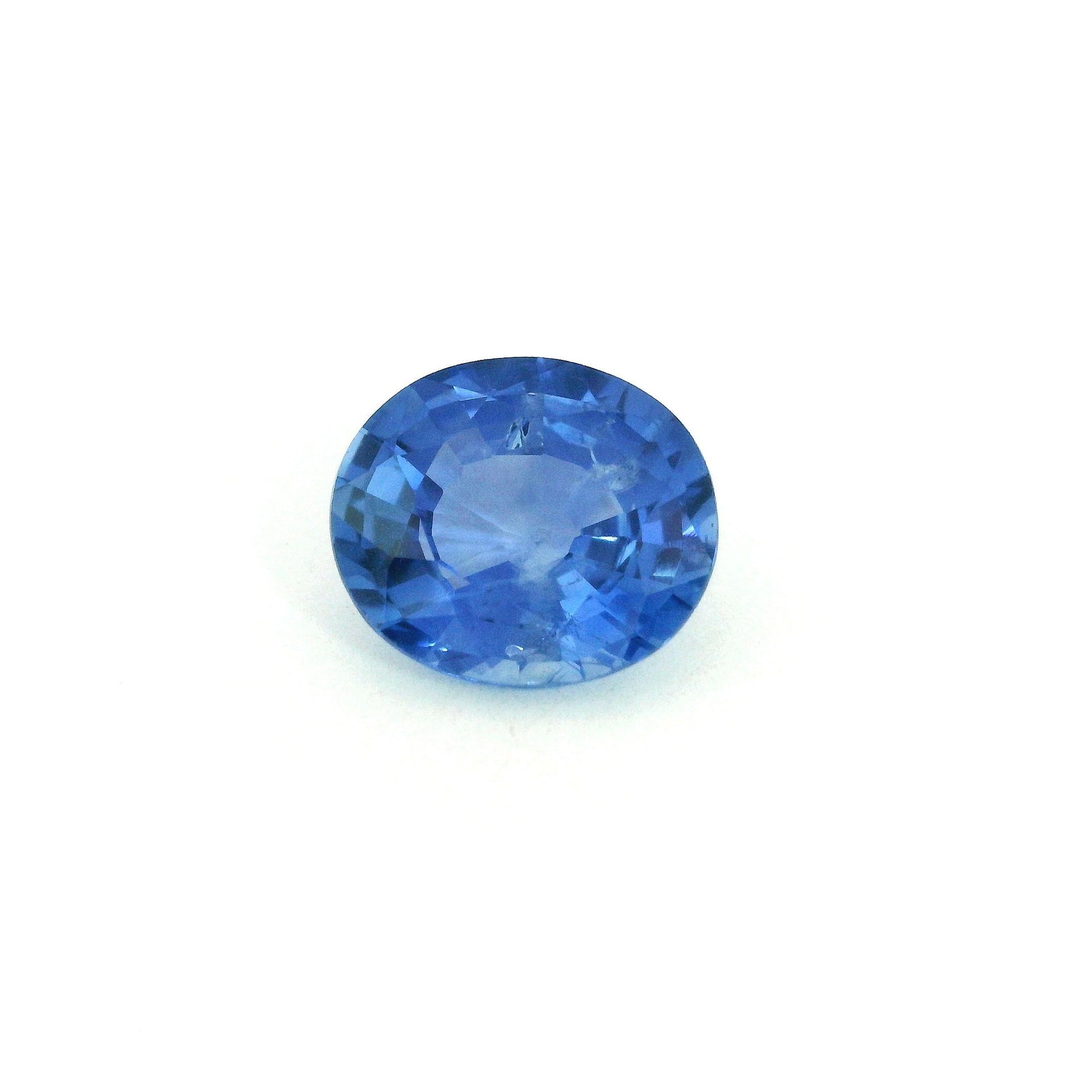
Ceylon sapphires are known for their vibrant and lively blue color.
Unlike some darker sapphires that can appear almost black under certain lighting conditions, fine Ceylon sapphires typically display:
-
Bright cornflower blue
-
Royal blue
-
Medium vivid blue
-
Excellent brilliance
Their attractive color makes them suitable for both everyday jewelry and special occasions.
2. Outstanding Clarity
Compared to sapphires from many other origins, Ceylon sapphires often have excellent transparency.
Although natural inclusions are common in all gemstones, fine Sri Lankan sapphires frequently appear eye-clean, enhancing their brilliance and value.
3. Excellent Cut Potential
The crystal structure of many Sri Lankan sapphires allows cutters to produce gemstones with:
-
Excellent symmetry
-
High brilliance
-
Beautiful light return
This makes Ceylon sapphires a favorite among jewelry designers worldwide.
Where Are Ceylon Sapphires Found?
Most Ceylon sapphires come from the Ratnapura region, often called the "City of Gems."
Other important mining areas include:
-
Elahera
-
Balangoda
-
Rakwana
-
Pelmadulla
These gem-bearing regions have supplied natural sapphires to international markets for centuries.
How Are Ceylon Sapphires Formed?
Sri Lankan sapphires are primarily recovered from alluvial deposits.
Over millions of years, weathering and erosion transported sapphire crystals from their original host rocks into riverbeds and gravel deposits.
This natural process often produces well-formed crystals with attractive color and excellent transparency.
Ceylon Sapphire vs Kashmir Sapphire
Both origins produce exceptional sapphires, but they have distinct characteristics.
| Feature | Ceylon Sapphire | Kashmir Sapphire |
|---|---|---|
| Color | Bright Cornflower Blue | Velvety Blue |
| Transparency | Excellent | Excellent |
| Availability | Moderate | Extremely Rare |
| Price | Premium | Ultra Premium |
| Best For | Jewelry & Astrology | Collectors & Investment |
Kashmir sapphires are rarer, while Ceylon sapphires are more widely available and remain an excellent choice for buyers seeking premium quality.
Ceylon Sapphire vs Burma Sapphire
| Feature | Ceylon Sapphire | Burma Sapphire |
|---|---|---|
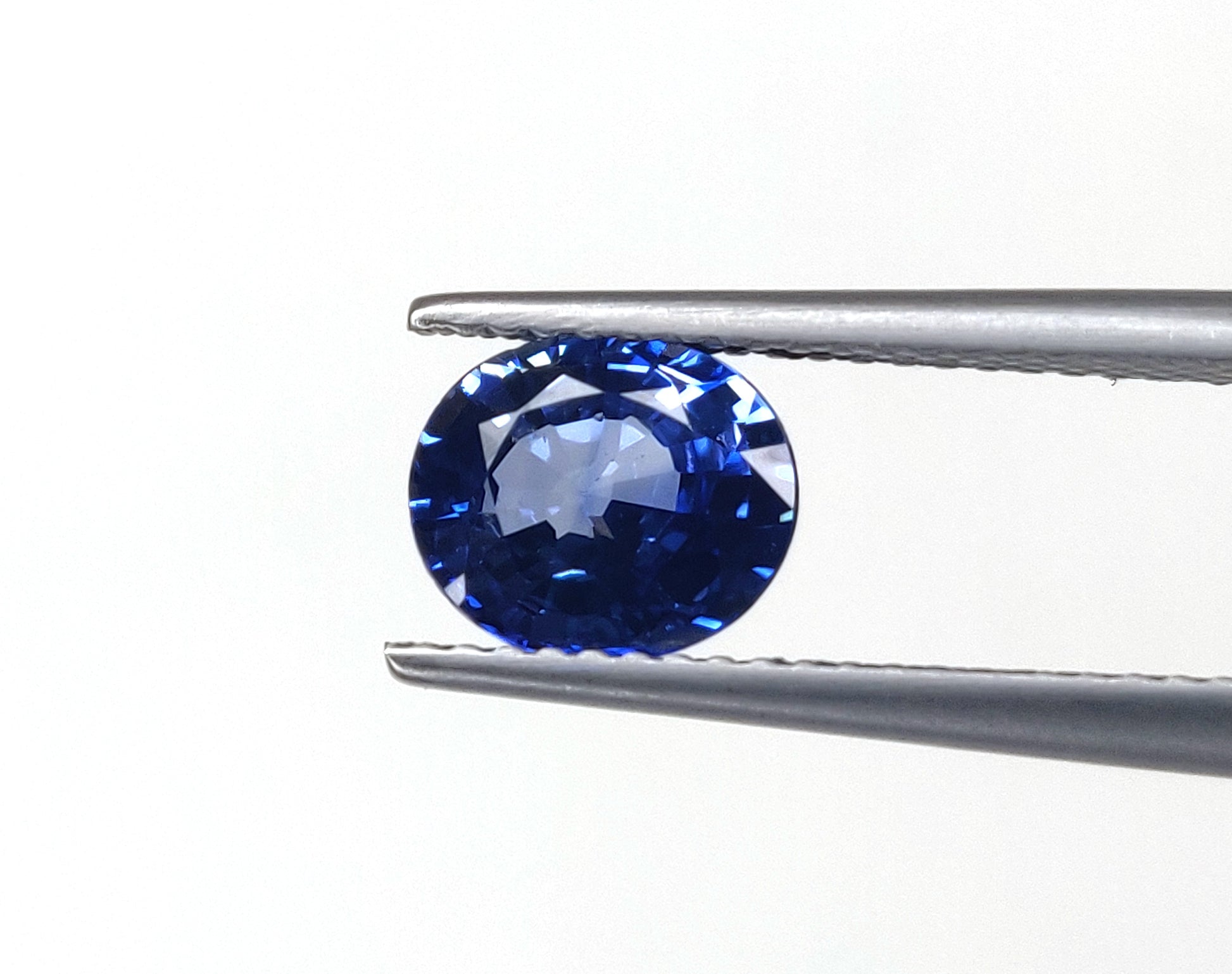
| Color | Bright Blue | Rich Royal Blue |
| Brightness | Excellent | Strong |
| Saturation | Medium to High | High |
| Availability | Good | Limited |
| Jewelry Use | Excellent | Excellent |
Buyers who prefer lighter, brighter blues often choose Ceylon sapphires, while those seeking deeper royal blue tones may prefer Burmese sapphires.
Why Ceylon Sapphire is Popular in Astrology
In Vedic astrology, Blue Sapphire (Neelam) is associated with the planet Saturn (Shani).
Among all sapphire origins, Ceylon sapphires are one of the most recommended because of their:
-
Natural origin
-
Bright blue color
-
High transparency
-
Strong market reputation
Many astrologers believe that a natural, well-cut sapphire with vibrant color is preferable to one with poor transparency, regardless of origin.
Heat-Treated vs Unheated Ceylon Sapphire
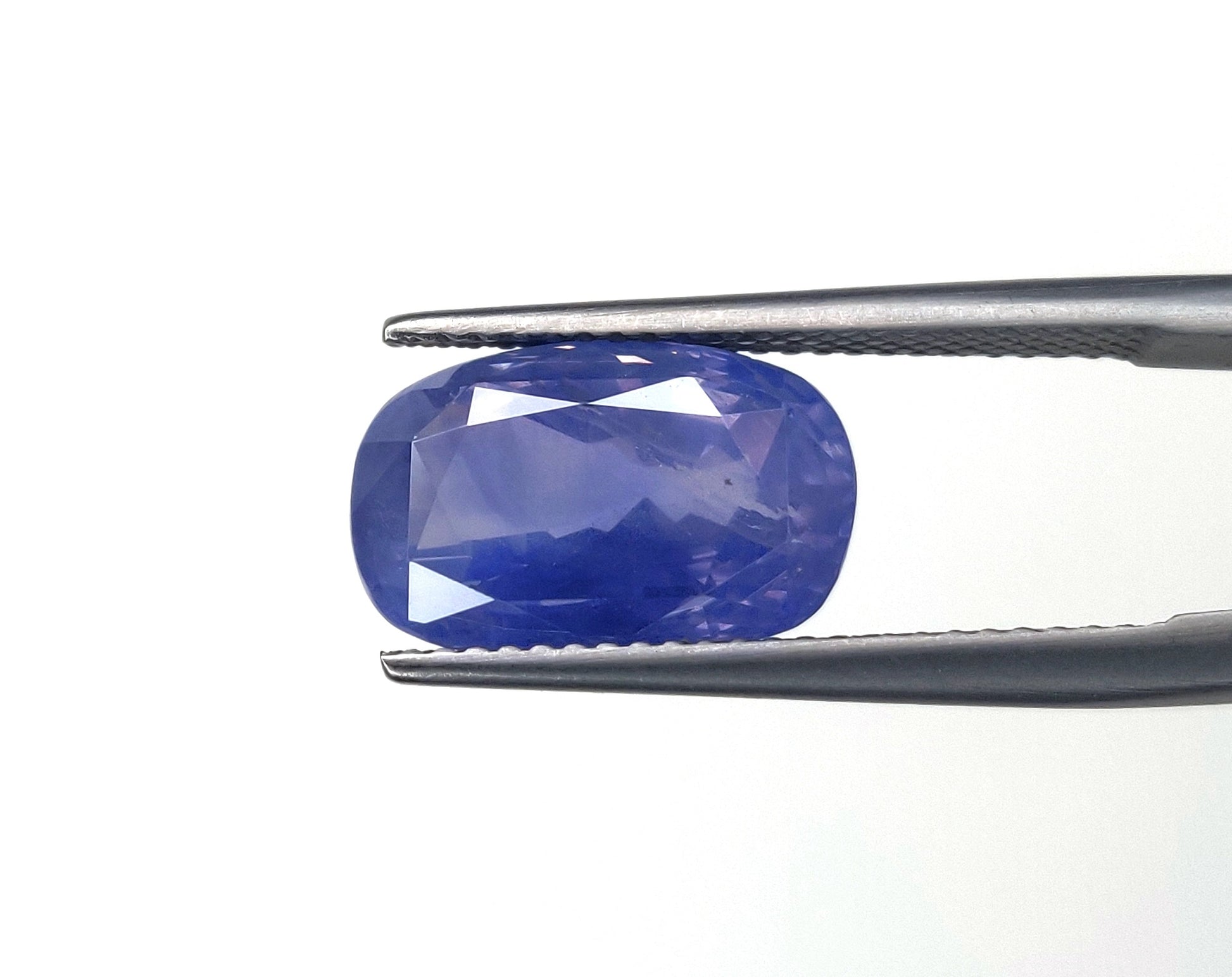
Most natural sapphires available in the market undergo heat treatment to improve color and clarity.
Heat-Treated Ceylon Sapphire
Advantages:
-
Better appearance
-
More affordable
-
Widely accepted in the gemstone trade
Unheated Ceylon Sapphire
Advantages:
-
Greater rarity
-
Higher collector value
-
Premium pricing
Both options can be excellent choices depending on your budget and personal preference.
How to Choose a High-Quality Ceylon Sapphire
When buying a Ceylon sapphire, consider the following factors:
Color
Look for:
-
Bright blue
-
Even color distribution
-
Good saturation
Clarity
Minor inclusions are natural, but avoid stones with excessive cloudiness or fractures.
Cut
A well-cut sapphire should display:
-
Good symmetry
-
Excellent brilliance
-
Minimal windowing
Treatment
Always ask whether the sapphire is:
-
Unheated
-
Heat-treated
Transparency builds confidence and helps you make an informed purchase.
Certification
For valuable sapphires, choose gemstones accompanied by reports from reputable gemological laboratories.
Are Ceylon Sapphires a Good Investment?
Fine Ceylon sapphires have remained highly desirable for decades.
Factors supporting their long-term appeal include:
-
Limited natural supply
-
Strong international demand
-
Timeless popularity
-
Excellent wearability
While no gemstone guarantees future returns, high-quality natural Ceylon sapphires continue to attract collectors and jewelry enthusiasts worldwide.
Caring for Your Ceylon Sapphire
With a hardness of 9 on the Mohs scale, Ceylon sapphires are highly durable.
To maintain their beauty:
-
Clean with mild soap and warm water.
-
Use a soft brush to remove dirt.
-
Store separately from other jewelry to prevent scratches.
-
Have the setting inspected periodically if worn daily.
Final Thoughts
Ceylon sapphires have earned their reputation through centuries of exceptional quality, remarkable beauty, and enduring popularity.
Their bright blue color, outstanding transparency, and versatility make them suitable for fine jewelry, astrology, and gemstone collections alike.
Whether you're purchasing your first sapphire or adding to an existing collection, a carefully selected Ceylon sapphire represents a timeless investment in natural beauty.
When choosing your gemstone, focus not only on its origin but also on its color, clarity, cut, treatment, certification, and overall visual appeal. A well-selected Ceylon sapphire is a gemstone that can be treasured for generations.

