
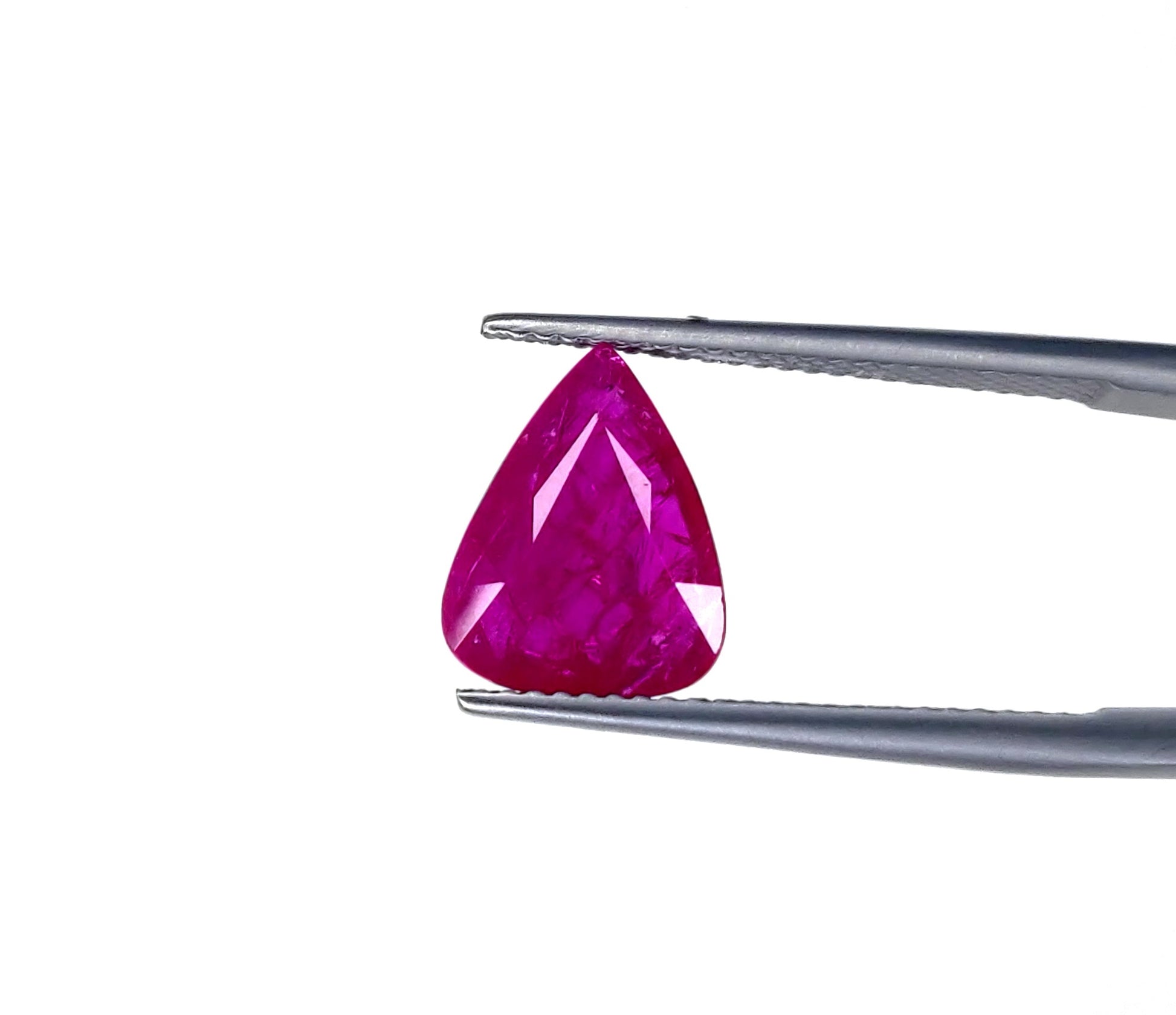
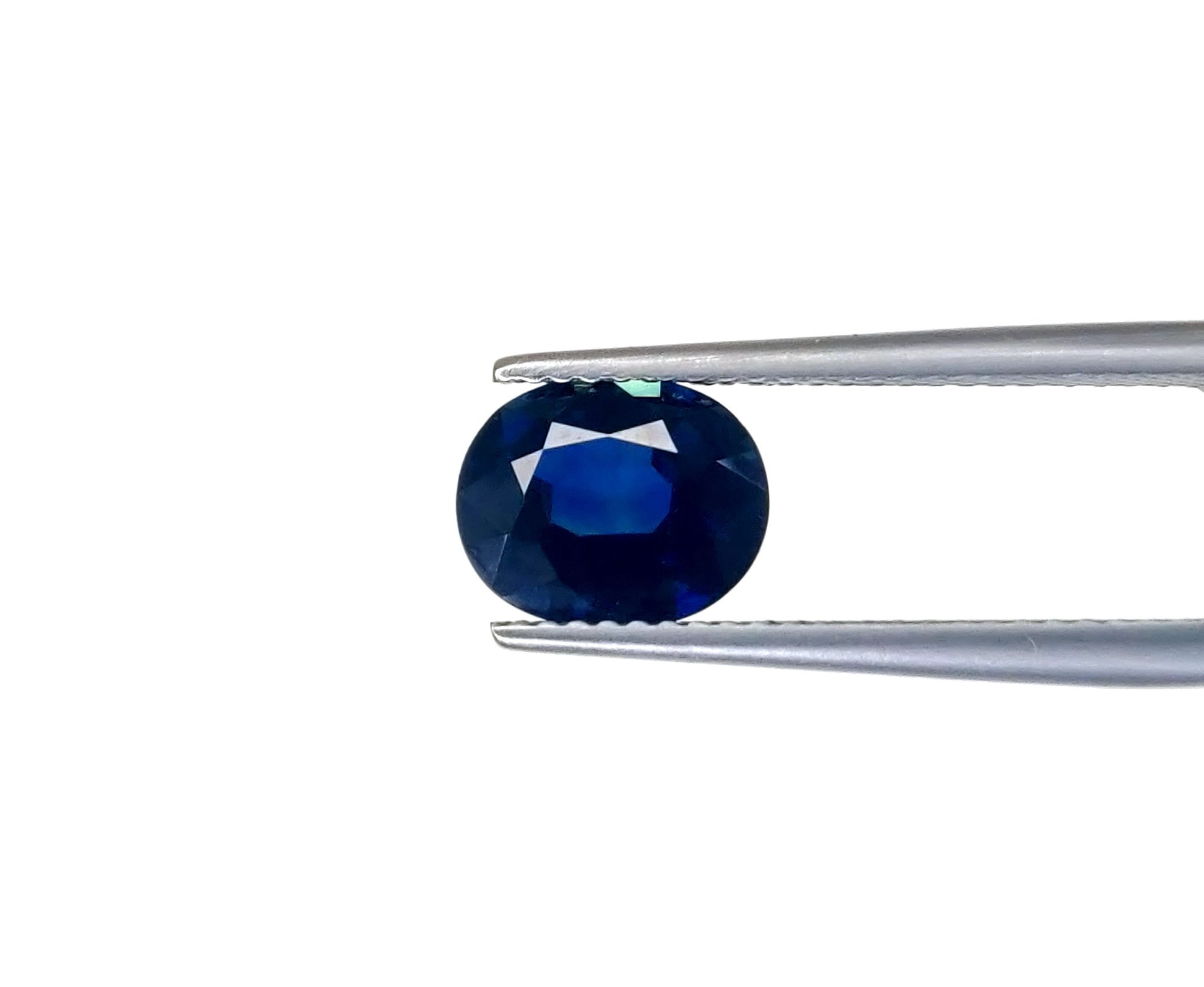
For centuries, people have invested in:
- Gold
- Real estate
- Diamonds
But today, a growing number of investors are becoming interested in colored gemstones, especially rubies and sapphires.
The attraction is understandable:
✔ Rare
✔ Portable
✔ Beautiful
✔ Limited natural supply
Yet many people hesitate because they ask:
👉 “Will I get returns?”
👉 “Can I sell it easily during emergency?”
👉 “Is gemstone investment trustworthy?”
This guide explains how ruby and sapphire investment actually works—and how the gemstone industry can build more confidence among modern buyers.
Why People Are Becoming Interested in Ruby & Sapphire Investment
1. Natural Rarity is Increasing
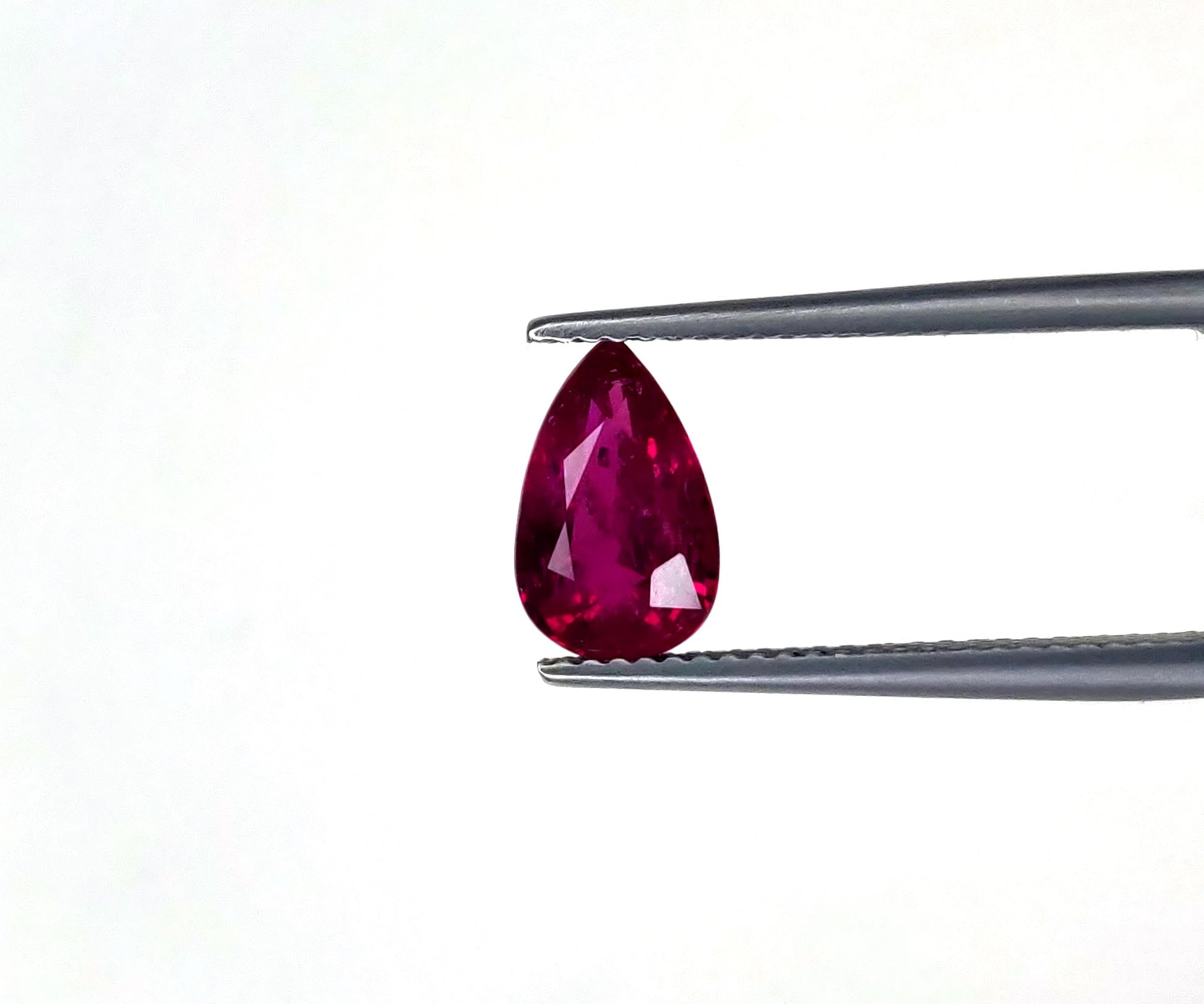
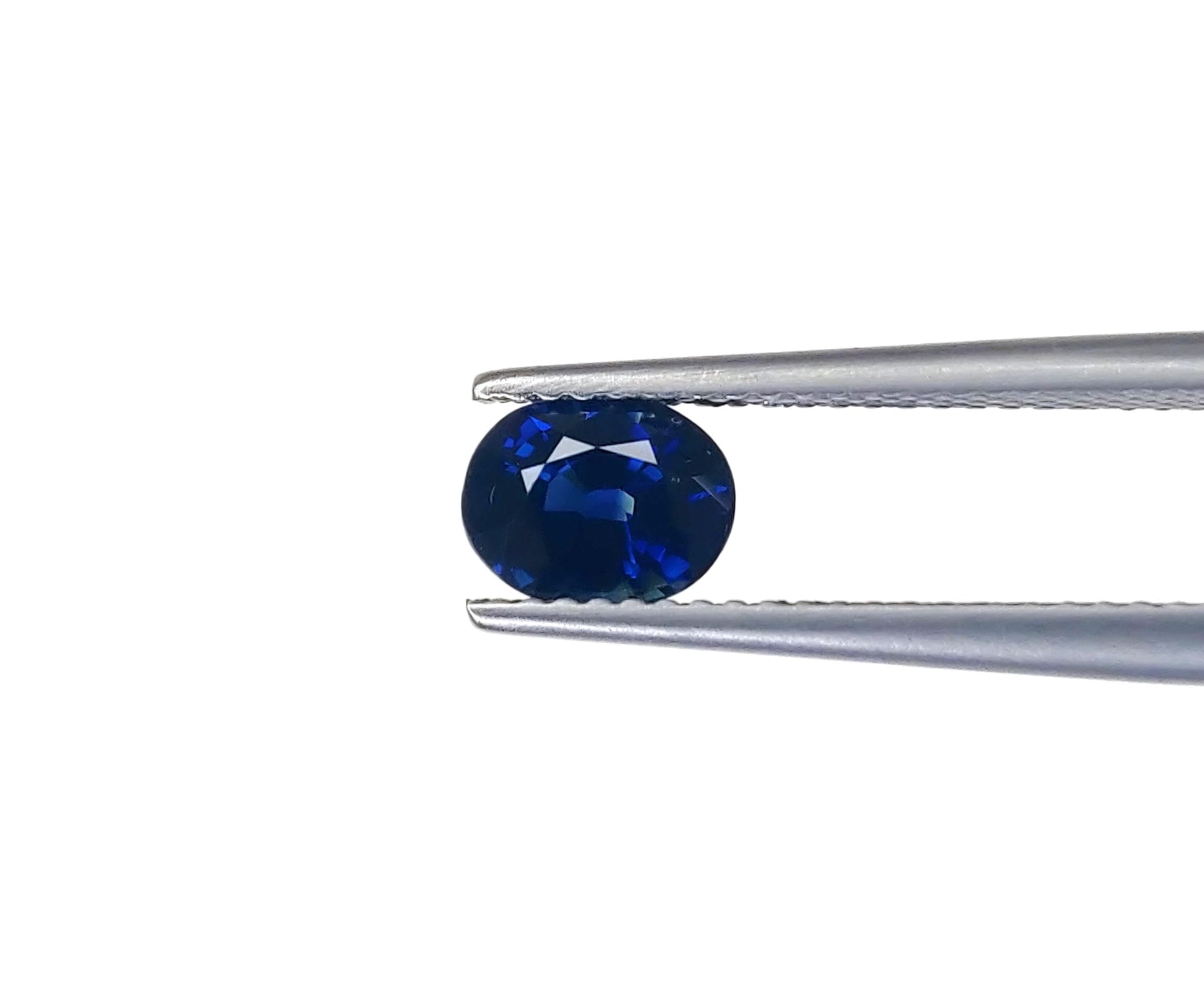
High-quality:
- Burma rubies
- Kashmir sapphires
- Fine Mozambique rubies
- Unheated sapphires
are becoming increasingly difficult to source.
As mines become depleted, rarity increases.
2. Colored Gemstones Have Global Demand
Today rubies and sapphires are purchased for:
✔ Jewelry
✔ Luxury collections
✔ Investment portfolios
✔ Auctions
✔ Heirloom wealth
Demand comes from:
- United States
- Middle East
- China
- Thailand
- Europe
This creates a long-term international market.
3. Gemstones Are Portable Wealth
One small gemstone can store significant value.
Compared to real estate:
✔ Easier to transport
✔ Easier to store
✔ No maintenance cost
This makes gemstones attractive as a “compact luxury asset.”
The Biggest Fear: Liquidity
This is where most buyers become uncertain.
People ask:
👉 “If I need money urgently, can I sell my gemstone?”
The answer depends on:
- Quality
- Certification
- Origin
- Market demand
- Seller credibility
How to Make Gemstone Investment More Liquid
1. Buy Commercially Recognized Stones
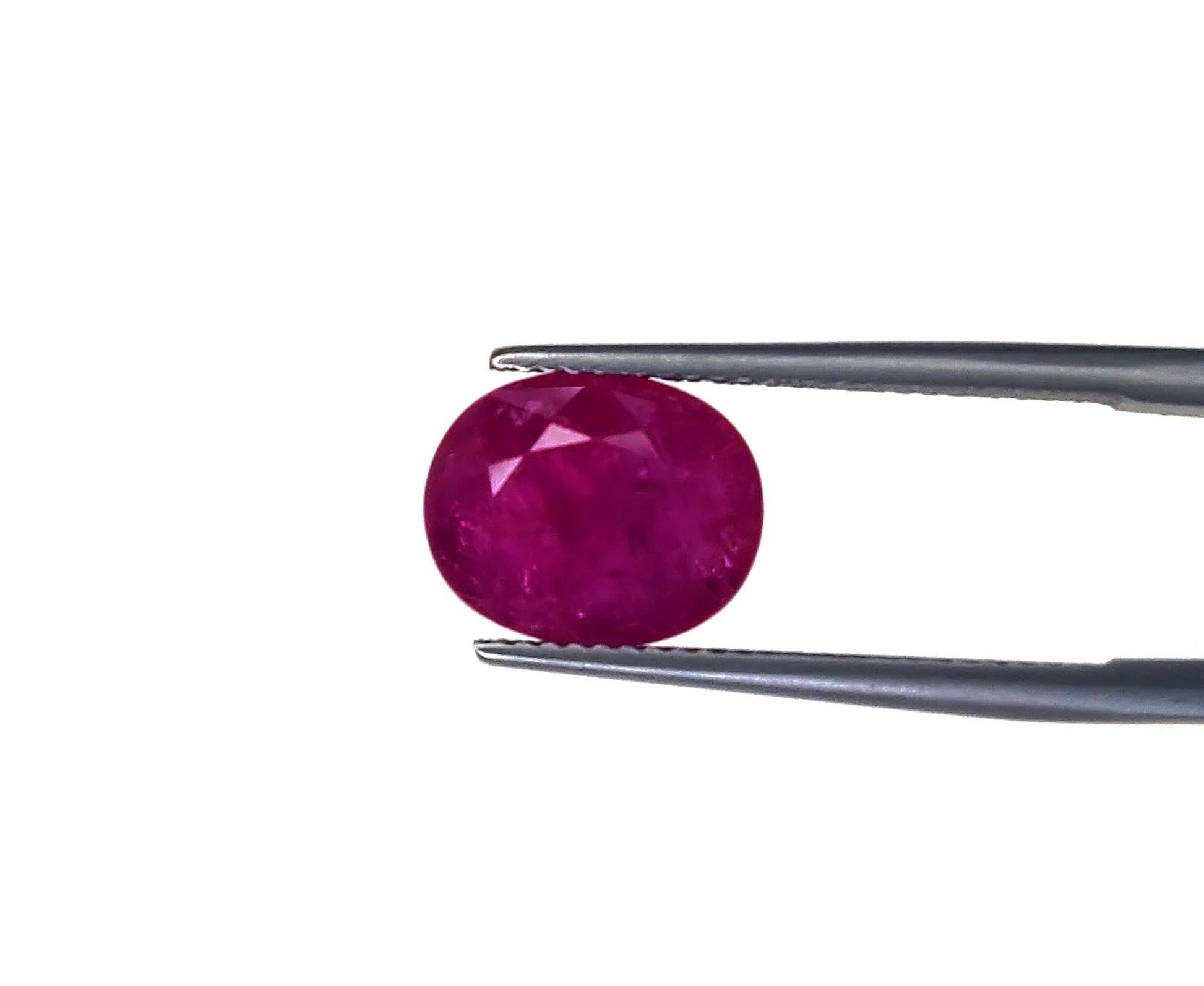
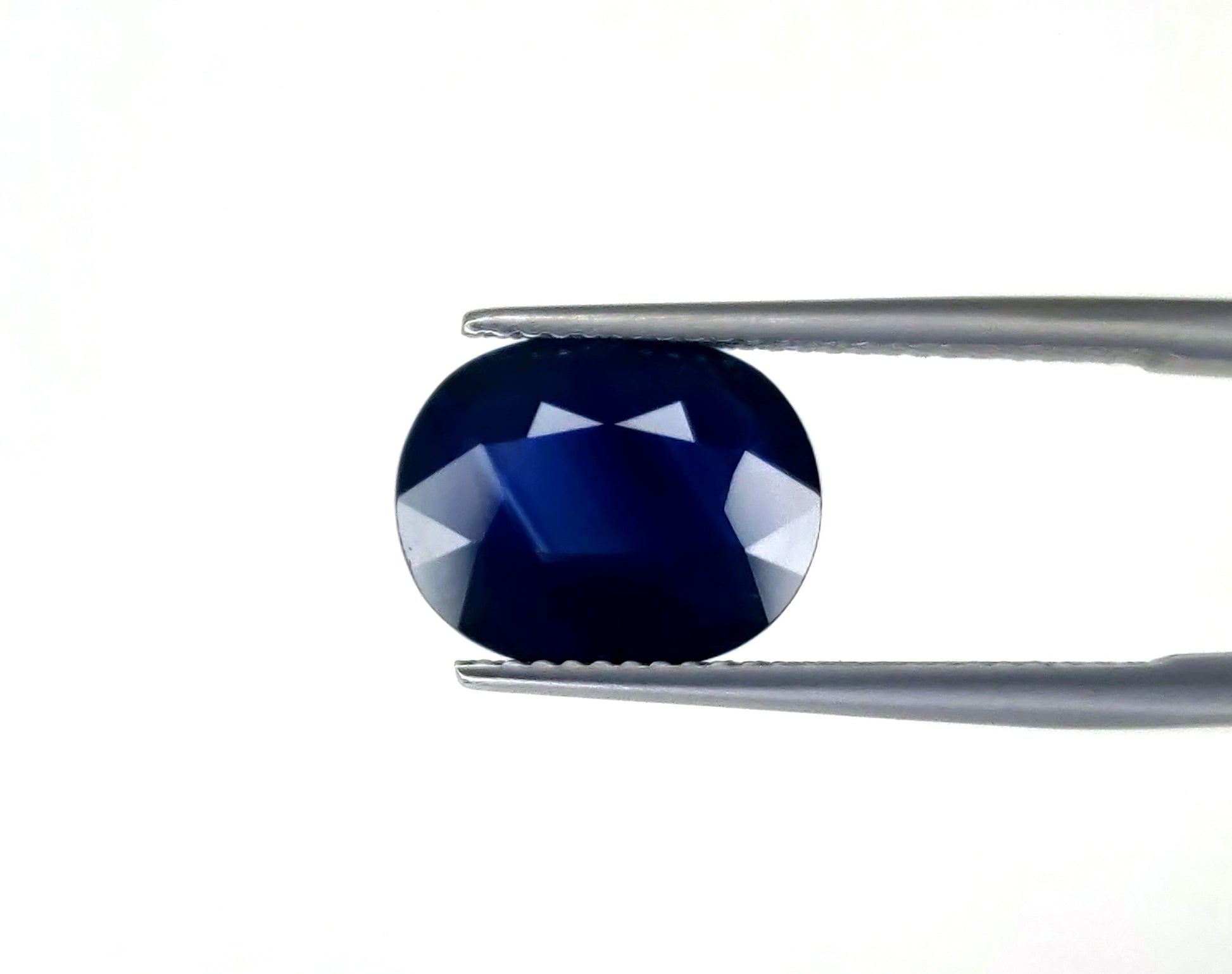
Not every gemstone is easy to resell.
Better liquidity comes from:
✔ Ruby
✔ Sapphire
✔ Emerald
especially when:
- Natural
- Certified
- Good color
- Wearable size
2. Focus on Popular Categories
Investment buyers should prefer:
- Ruby
- Blue Sapphire
- Yellow Sapphire
because they already have:
✔ Existing demand
✔ International market acceptance
3. Buy Stones with Practical Jewelry Use
This is extremely important.
A gemstone becomes easier to sell when it has:
✔ Jewelry appeal
✔ Fashion demand
✔ Wearability
This is why:
- Fine rubies
- Sapphires
- Calibrated gemstones
often perform better than obscure collector stones.
👉 Explore:
- [Ruby Gemstones for Jewelry Making]
- [Oval Ruby Collection]
4. Certification Builds Trust
Certified gemstones are easier to liquidate because buyers feel safer.
Certification helps verify:
✔ Natural origin
✔ Treatment status
✔ Authenticity
This increases market confidence.
Ruby & Sapphire: Jewelry Investment vs Astrology Purchase
Many people think gemstones are only for astrology.
But globally, most gemstone investment happens because of:
✔ Luxury
✔ Rarity
✔ Collectibility
✔ Jewelry value
—not astrology.
Why Gemstones Can Be “Wearable Investments”
This is one of the strongest advantages of gemstones.
Unlike stocks or bonds:
✔ You can wear gemstones
✔ Enjoy them daily
✔ Pass them through generations
A fine ruby ring or sapphire pendant can function as:
- Jewelry
- Emotional asset
- Investment piece
all at the same time.
How to Build Trust in Gemstone Investment
The gemstone industry needs to evolve from:
❌ “Only emotional selling”
to:
✔ Education + transparency + long-term value
What Buyers Need to Understand
1. Gemstones Are Not “Quick Profit” Assets
Like art or luxury watches, gemstones work better as:
✔ Long-term stores of value
✔ Wealth diversification assets
2. Quality Matters More Than Hype
Investment-grade stones usually have:
✔ Good color
✔ Fine cut
✔ Strong demand
✔ Recognized origin
👉 Read more:
- [Burma Ruby Guide]
- [Mozambique Ruby Guide]
3. Smaller Investment Stones Also Have Demand
Not everyone needs a million-rupee ruby.
Even smaller:
- Certified sapphires
- Fine calibrated rubies
- Jewelry-quality stones
can hold long-term desirability.
How Businesses Can Increase Customer Confidence
Offer Buyback or Upgrade Programs
This is one of the most powerful trust-building tools.
Customers feel safer when they know:
✔ Future exchange is possible
✔ Upgrade path exists
✔ Liquidity support is available
Educate Instead of Overpromising
Avoid:
❌ “Guaranteed returns”
Instead explain:
✔ Rarity
✔ Demand trends
✔ Long-term value potential
This builds credibility.
Position Gemstones as Luxury Assets
People already invest in:
- Luxury watches
- Art
- Handbags
- Vintage cars
Fine gemstones belong in the same category:
✔ Rare
✔ Portable
✔ Global demand
Which Rubies & Sapphires Have Better Investment Potential?
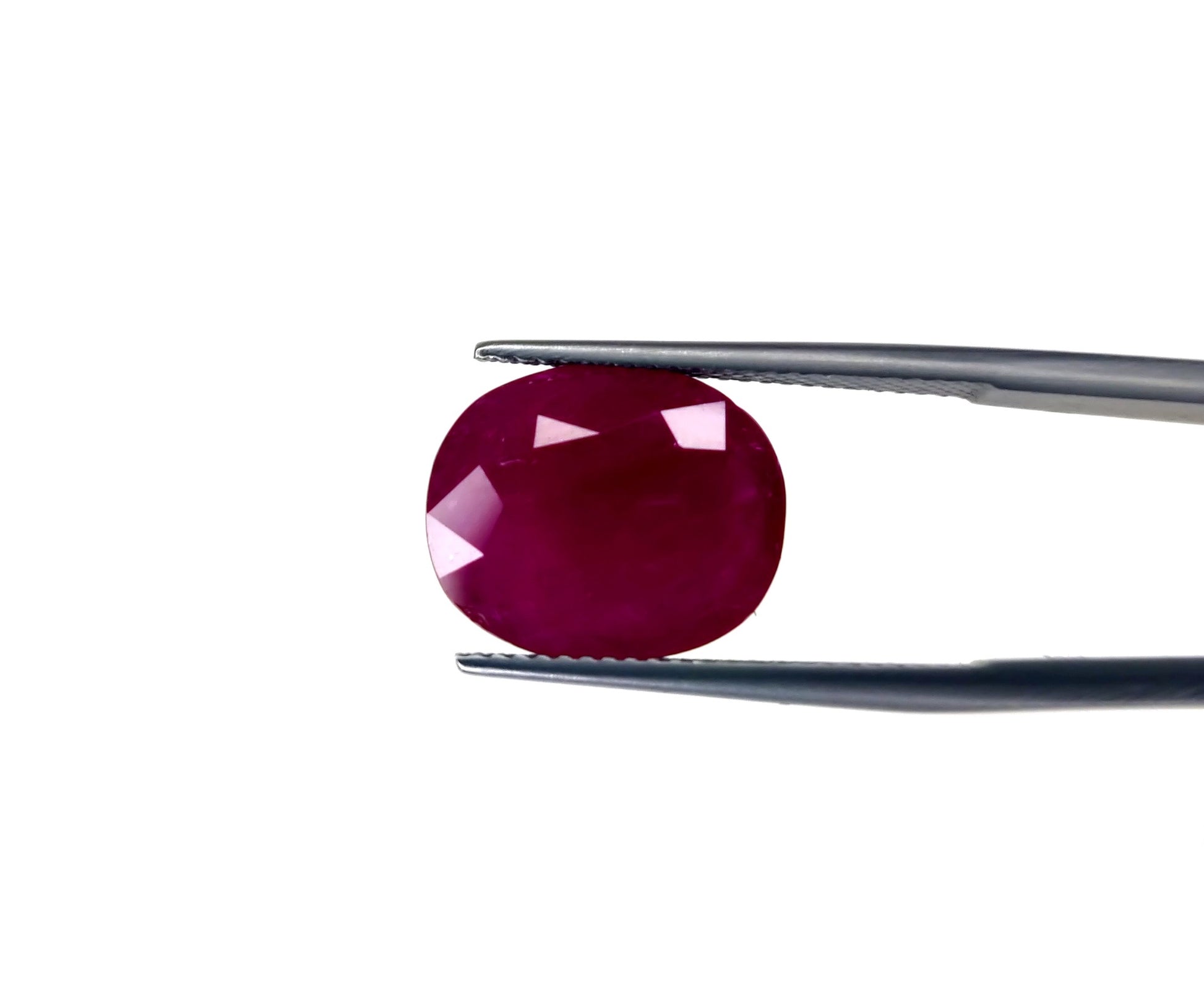
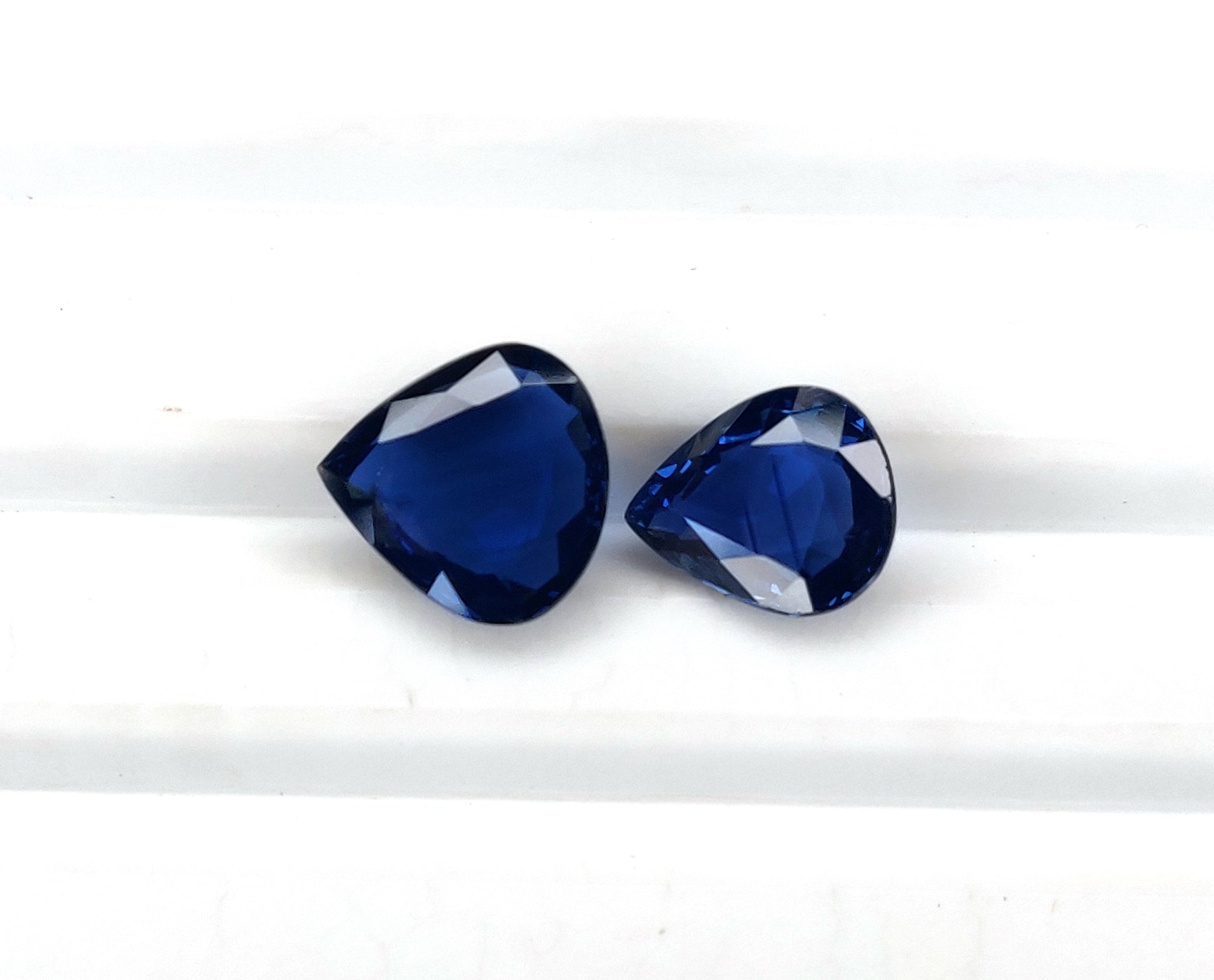
Better Long-Term Demand:
- Burma ruby
- Mozambique ruby
- Blue sapphire
- Unheated stones
- Fine color gemstones
Better Liquidity:
- Wearable sizes
- Certified stones
- Popular shapes (oval, cushion, pear)
👉 Explore:
- [Round Ruby Gemstones]
- [Pear Shape Ruby Collection]
The Future of Colored Gemstone Investment
As natural gemstone supply becomes more limited and luxury markets continue growing, colored gemstones are gaining recognition as alternative assets.
Especially among younger buyers:
✔ Tangible assets are becoming attractive again
✔ Luxury collectibles are growing
✔ Personalized investments are increasing
This creates long-term potential for fine rubies and sapphires.
Final Thoughts
Ruby and sapphire investment should not be viewed only through astrology.
Fine gemstones are:
✔ Rare natural assets
✔ Wearable luxury
✔ Portable wealth
✔ Long-term collectibles
The key is buying:
- Genuine stones
- Good quality
- Certified material
- Commercially desirable gems
With proper education, transparency, and liquidity support, colored gemstones can increasingly become trusted investment assets for modern buyers.

