Burma rubies, sourced from Myanmar, are widely regarded as the finest and most valuable rubies in the world. Known for their legendary “pigeon blood” color, these gemstones have been prized by collectors, jewelers, and royalty for centuries.
If you are looking to understand why Burma rubies command premium prices, how they compare with other origins, and how to choose the right one—this guide covers everything.
What is a Burma Ruby?
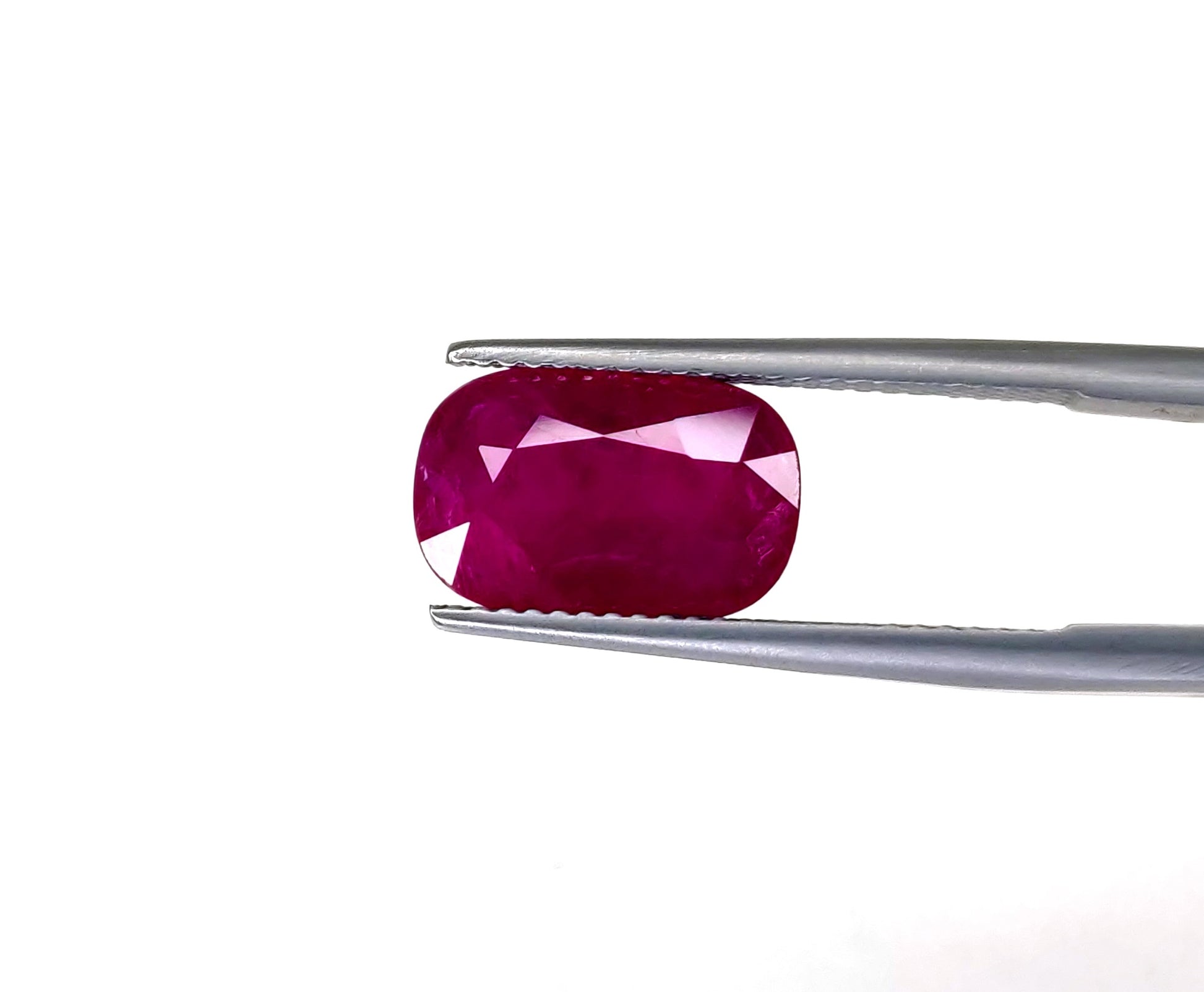
A Burma ruby is a natural ruby mined primarily from the Mogok region, often referred to as the “Valley of Rubies.”
These stones are famous for:
-
Exceptional color saturation
-
Natural fluorescence (glow effect)
-
High rarity
👉 Explore our full collection here: [Ruby Gemstones for Jewelry Making]
Why Burma Rubies Are So Valuable
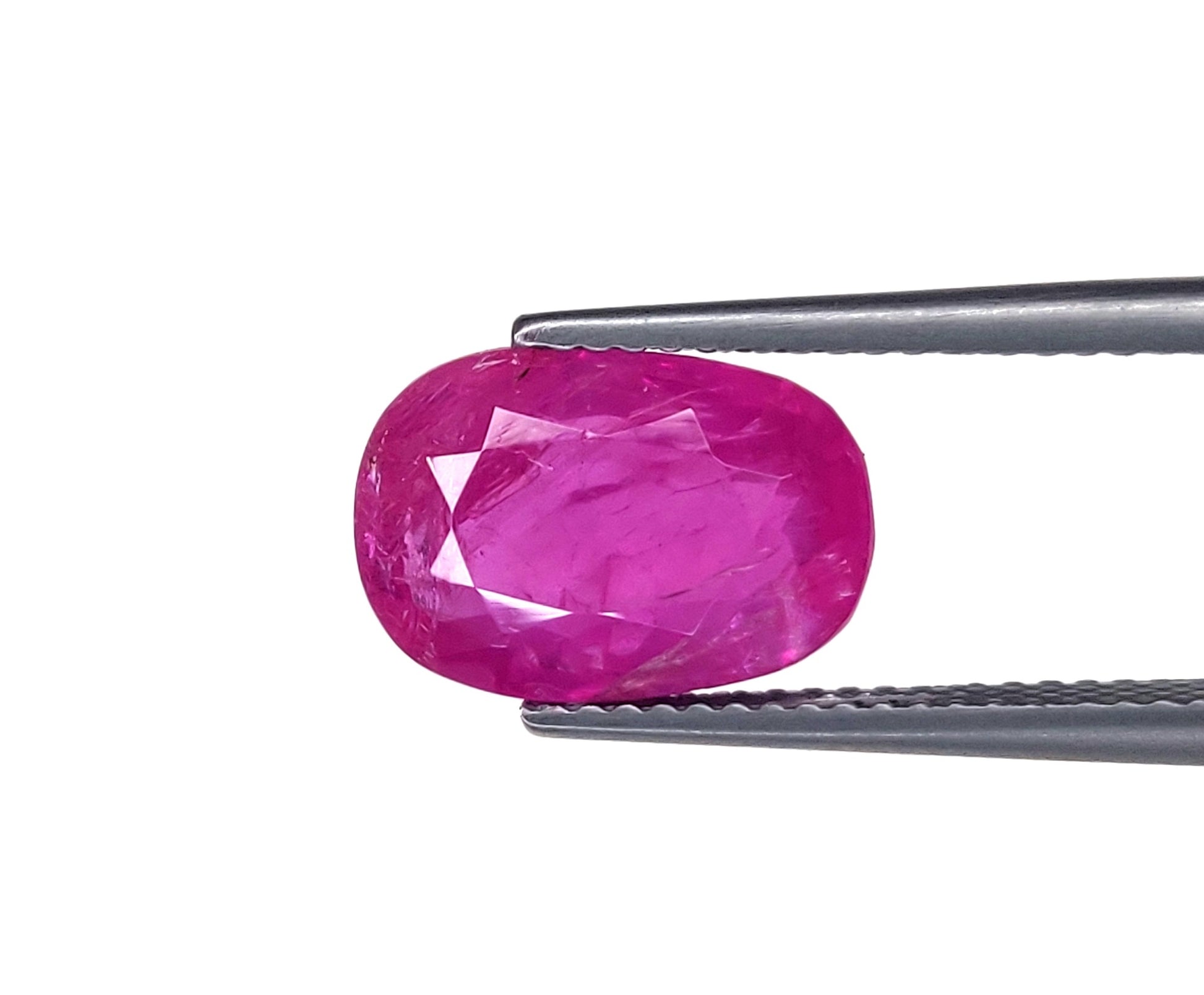
1. Legendary “Pigeon Blood” Color
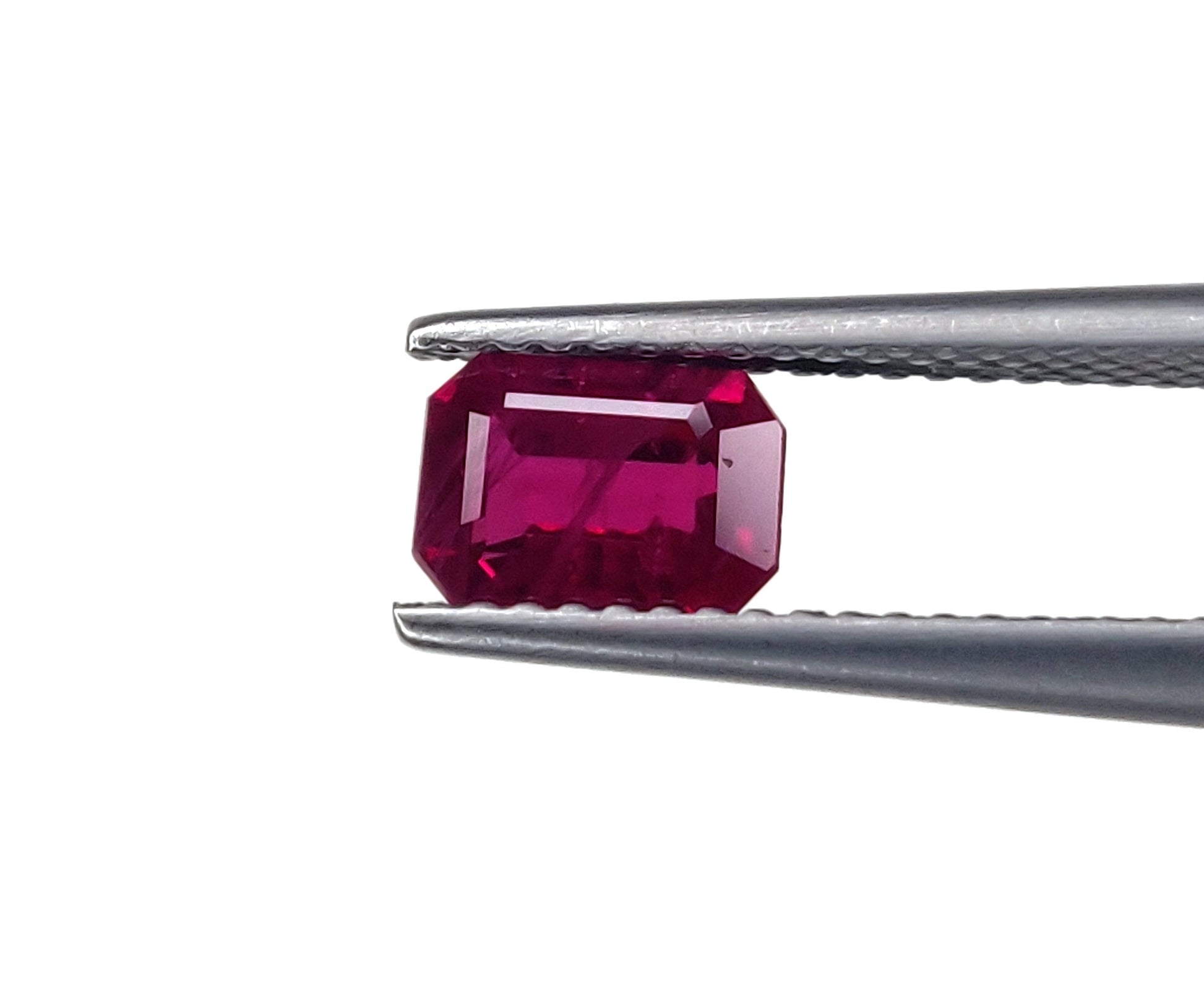
The finest Burma rubies display:
-
Deep vivid red
-
Slight blue undertone
-
Strong internal glow
This color is considered the global benchmark for ruby quality.
👉 Browse similar stones in [Oval Ruby Gemstones Collection]
2. Natural Fluorescence (The Glow Factor)
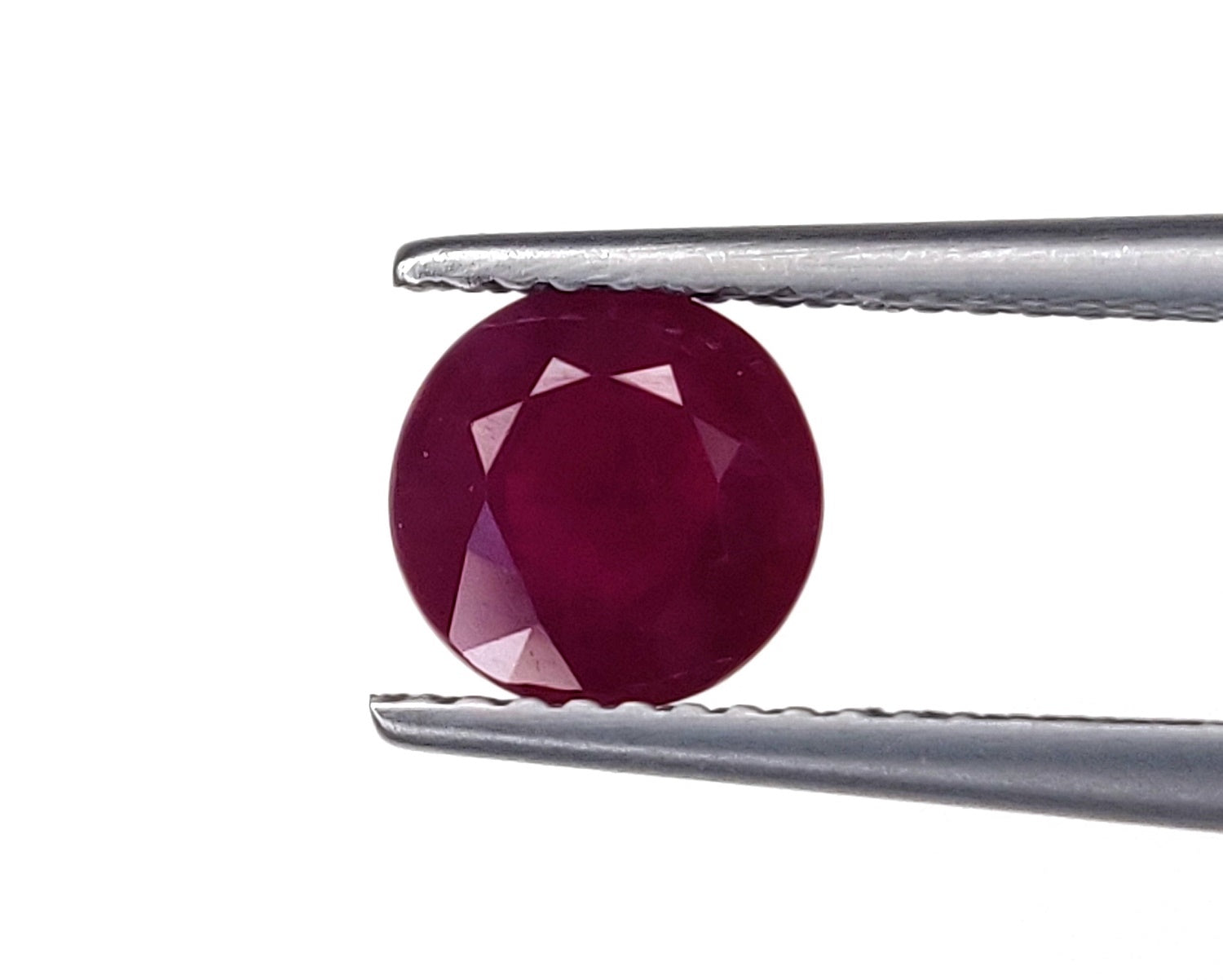
Due to low iron content, Burma rubies exhibit:
-
Strong fluorescence under light
-
A glowing, alive appearance
👉 This is what makes them visually superior to many other origins.
3. Extreme Rarity
Unlike Mozambique or African rubies:
-
Mines are limited
-
Production is very low
-
High-quality stones are extremely scarce
👉 This drives investment-level pricing
Burma Ruby vs Mozambique Ruby
| Feature | Burma Ruby | Mozambique Ruby |
|---|---|---|
| Color | Pigeon blood red | Bright to purplish red |
| Rarity | Extremely rare | Widely available |
| Price | Very high | Competitive |
| Supply | Limited | Stable |
| Best For | Investment & luxury | Jewelry manufacturing |
👉 For commercial use, check: [Mozambique Ruby Guide]
Burma Ruby for Jewelry vs Investment
For Investment Buyers
-
Focus on unheated stones
-
Look for top color + origin certification
-
Larger sizes increase value significantly
For Jewelry Use
-
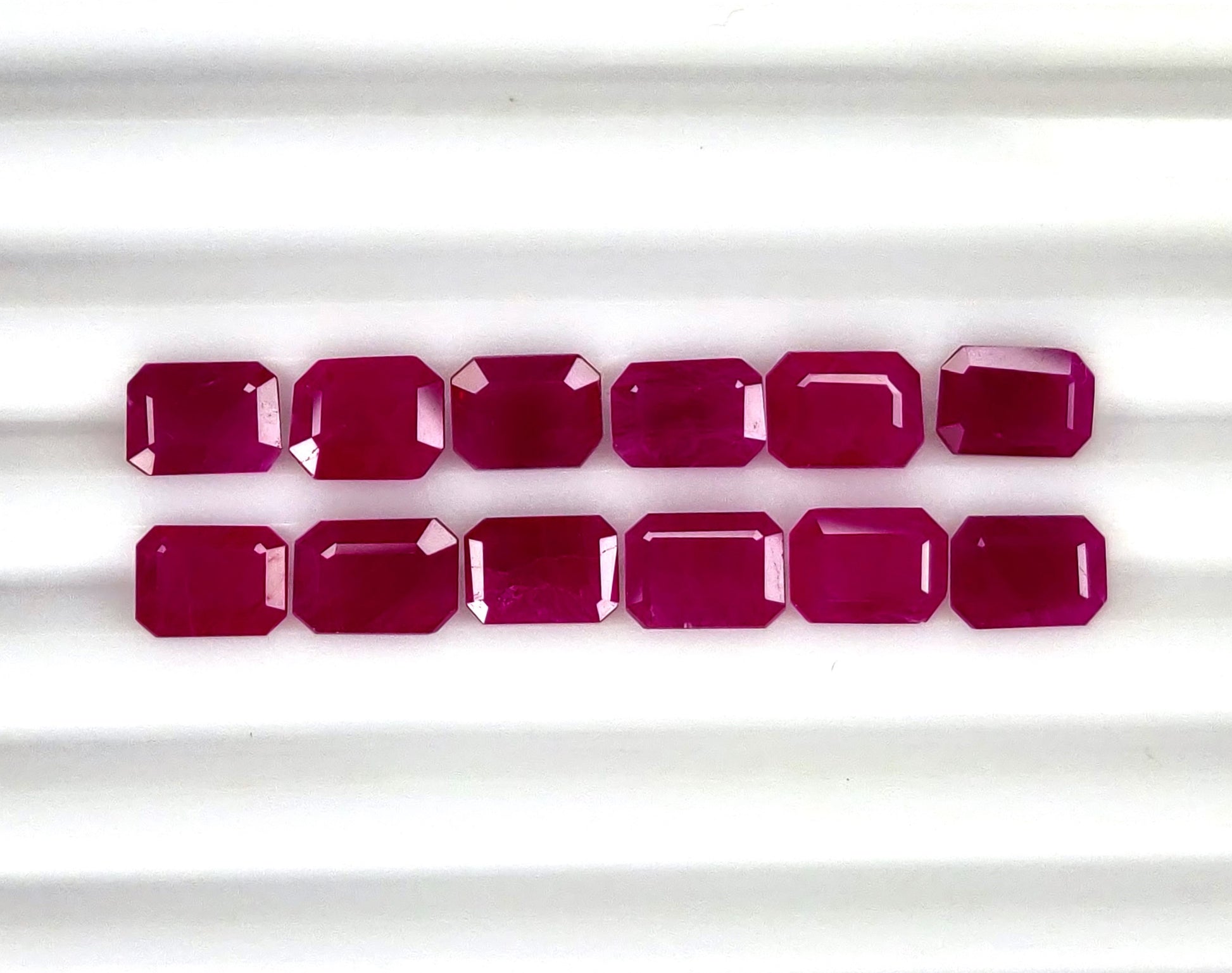
Smaller Burma rubies are used in premium jewelry
-
Often combined with diamonds or gold
-
Ideal for high-end collections
👉 Explore sizes here:
-
[Ruby 5x3 mm]
-
[Ruby 6x4 mm]
-
[Ruby 7x5 mm]
Are Burma Rubies Treated?
Yes, but treatment matters:
Types of Rubies:
-
Unheated Burma Ruby → Extremely rare & premium
-
Heat-treated Ruby → Standard and acceptable
-
Glass-filled Ruby → Low value (avoid for fine jewelry)
👉 Always ensure transparency when sourcing
How to Choose the Right Burma Ruby
1. Prioritize Color
-
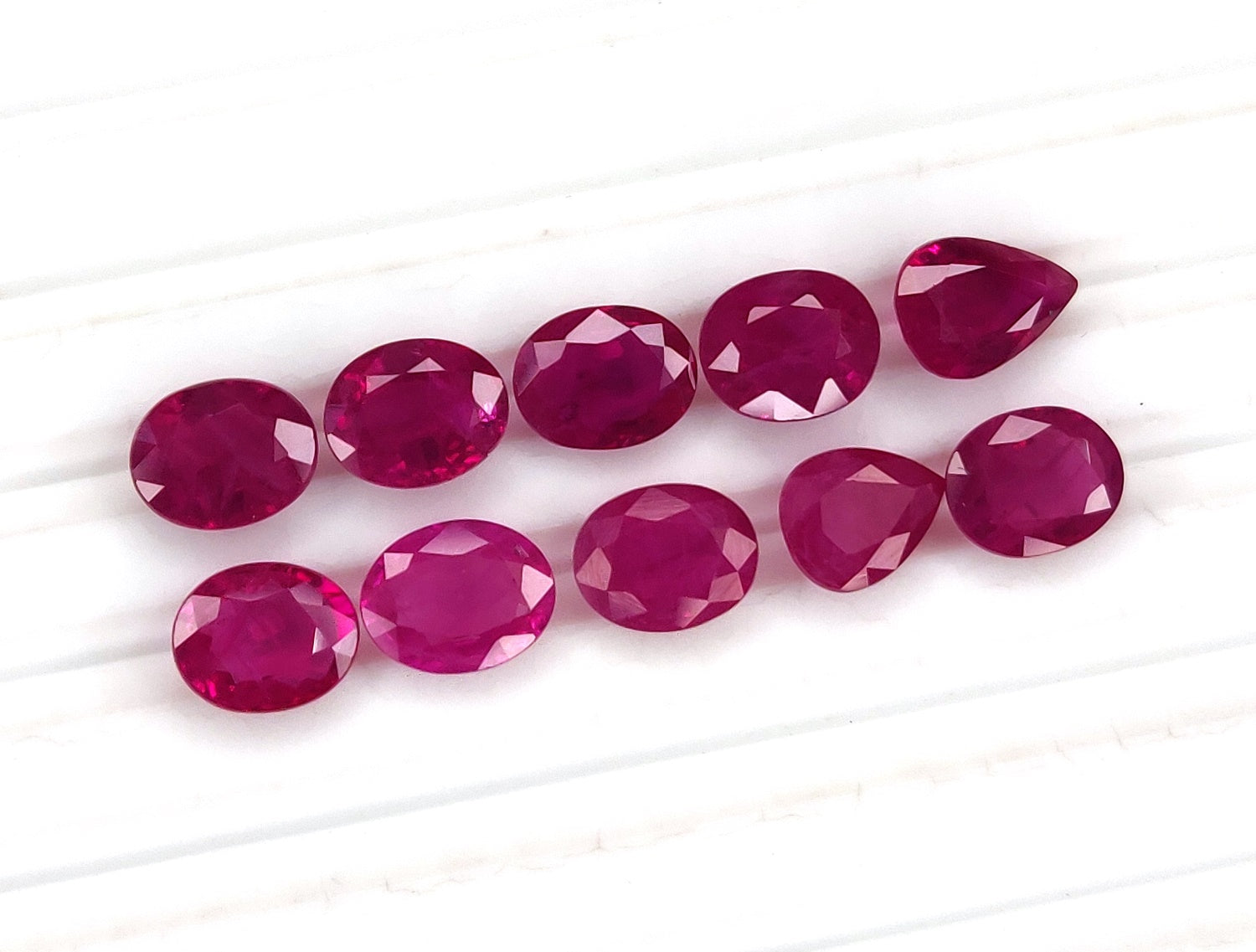
Best: Vivid red (not too dark, not pink)
2. Check Clarity
-
Natural inclusions are acceptable
-
Avoid overly opaque stones
3. Verify Origin
-
Certification increases trust & value
-
“Burma origin” carries strong brand appeal
4. Choose the Right Shape & Cut
👉 Shop by shape:
-
[Round Ruby Gemstones]
-
[Oval Ruby Gemstones]
-
[Pear Shape Ruby]
-
[Heart Shape Ruby]
Burma Ruby in Astrology (Rashi Ratna)
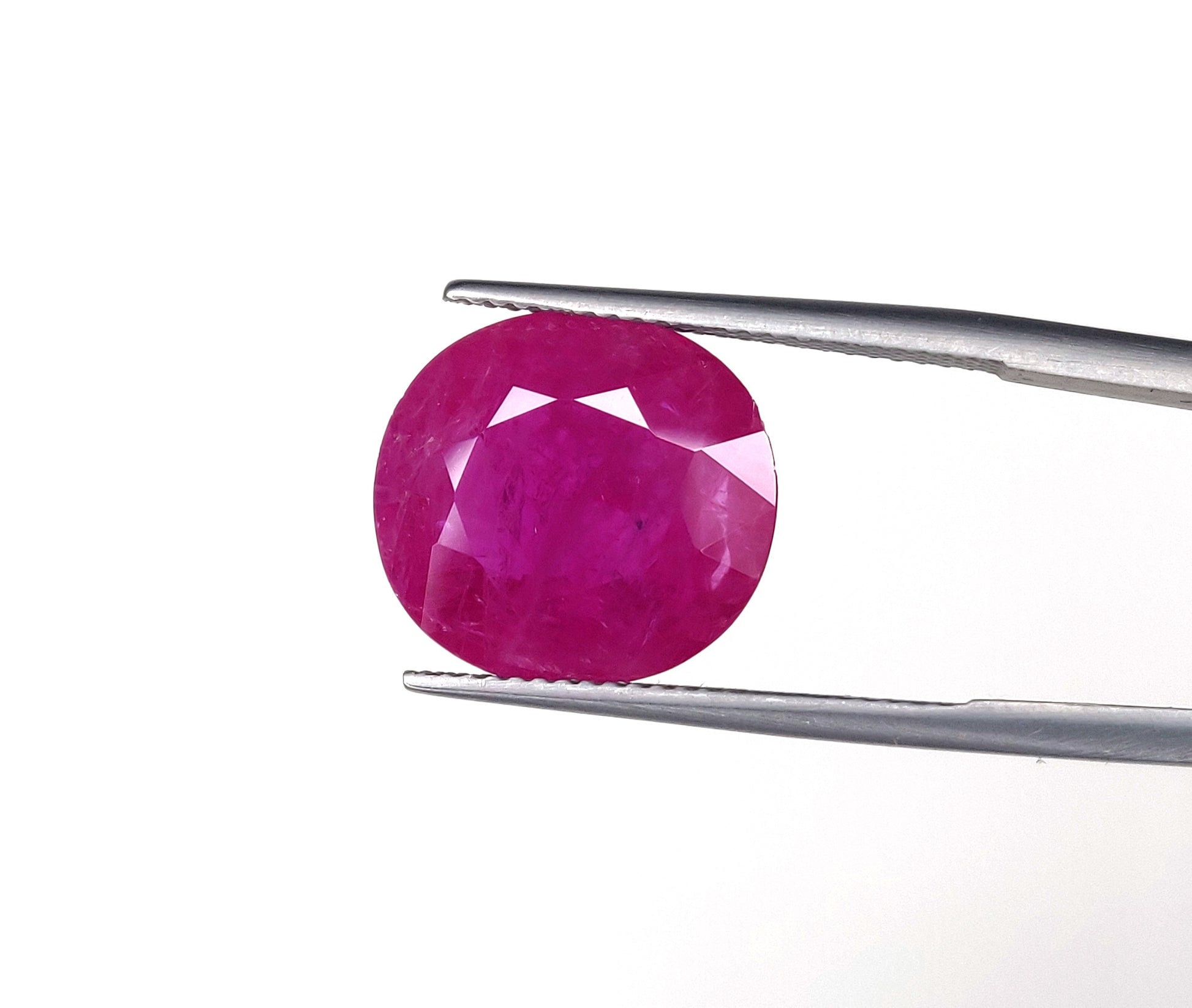
Burma rubies are highly preferred in astrology due to:
-
Natural origin
-
Strong color energy
-
Believed association with the Sun
👉 For astrological use, explore: [Natural Ruby (Manik) Collection]
Why Burma Ruby is Not for Every Buyer
While they are the best, Burma rubies may not suit all needs:
❌ Not ideal for bulk supply
❌ High cost limits scalability
❌ Limited availability in calibrated sizes
👉 For business use, consider: [African Ruby Collection]
When Should You Choose Burma Ruby?
✔ When you want top prestige
✔ When investing in gemstones
✔ When creating luxury jewelry
Final Thoughts
Burma rubies are not just gemstones—they are symbols of rarity, luxury, and timeless value.
While Mozambique and African rubies dominate commercial markets, Burma rubies remain unmatched in:
-
Color
-
Prestige
-
Investment appeal
👉 If your goal is to offer the best of the best, Burma ruby is the ultimate choice.

